

The Human Economy: Why the Future of Business is Brand-as-a-Friend
If your brand walked into a room today, would people feel relieved to see a friend, or would they feel like they’re about to be sold something? Let’s talk about the ‘energy’ of brand presence
In a marketplace where products are increasingly interchangeable and attention is fleeting, the traditional rules of engagement are breaking. Most brands today are “swimming in a sea of sameness,” shouting for attention and promising to change lives while forgetting one fundamental truth: business is just people serving people.
The ultimate competitive advantage isn’t a better algorithm or a steeper discount—it is Human Connection. People don’t remember what brands say; they remember how brands make them feel. To lead in the modern economy, companies must stop behaving like distant, rigid institutions and start behaving like friends.

The “Brand as a Friend” Framework
Transitioning from a transactional vendor to a trusted companion requires a shift from “marketing to” people to “understanding” them. Here is the process for architecting a brand that feels like a friend:
1. Lead with Self-Knowledge
Friendship starts with knowing who you really are, what you care about, and why you exist. You cannot connect with others if your own foundation is hollow. A brand must discover the “Human Truths” and the purpose that gives it a reason to exist beyond the balance sheet.
2. Find a Human Voice
A friend doesn’t speak in sanitised, corporate jargon. Your brand voice should be clear, warm, and professional—but never “corporate”. It needs personality, conviction, and the “quirks” that make it feel real.
3. Design for “Home,” Not for “Hype”
Visual identity should act as an invitation. This means choosing colors that feel familiar, typography that is easy on the eyes, and imagery that reflects real, unpolished human moments. When a brand’s visual language feels like “home,” people stop being defensive and start being open.
4. Prioritise Behaviour Over Campaigns
Friendship isn’t a one-time conversation; it’s how you show up day after day. This requires listening before speaking and caring before selling. It means behaving like a participant in society, treating customers as humans with stories rather than mere metrics.
5. Master the Small Moments
The strength of a relationship is found in the “little details”—the unexpected moments of delight and, crucially, how you handle things when they go wrong. These moments earn trust and advocacy that no amount of advertising can buy.
The Framework in Action
Doing it Right: Checkers (South Africa)
Checkers has mastered the role of the “friend who evolves with you”. Through Sixty60 and the Xtra Savings program, they have moved beyond being a grocery store to becoming a reliable partner in the customer’s daily life. Their behaviour demonstrates they understand the modern need for time and value. By focusing on the “little details” of the delivery experience and personalised rewards, they have built a relationship that feels less like a chore and more like a helpful, consistent companion.

Doing it Right: Patagonia (America)
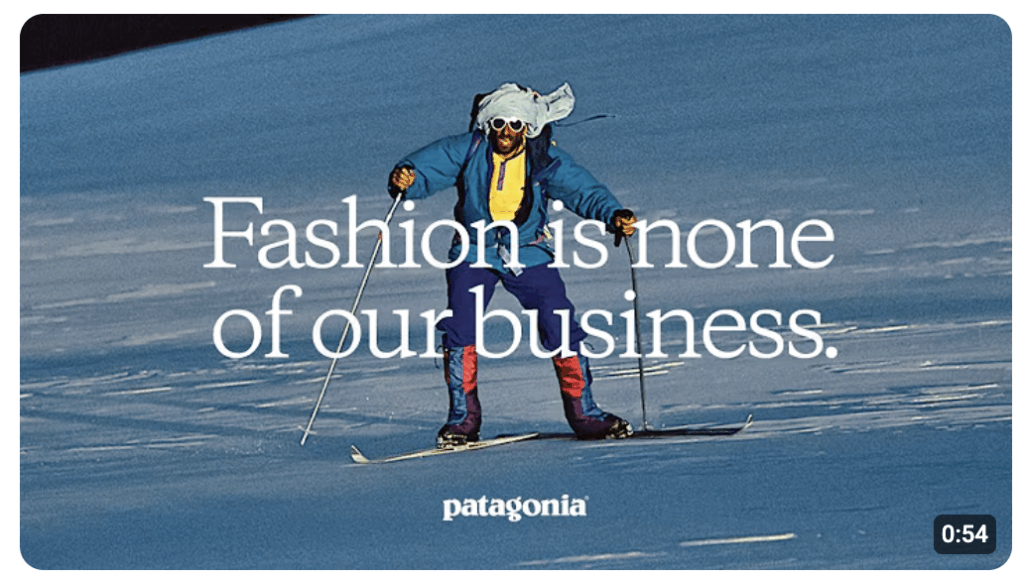
Patagonia is the ultimate “friend with shared values”. They don’t just sell jackets; they lead a movement for the planet. By telling people not to buy their products unless they need them, they demonstrate “honesty” and “conscious partnership”. They have built social capital by aligning their mission with the deep emotional truths of their audience.
Doing it Wrong: High-Street Fast Fashion Giants
Many global fast-fashion brands represent the “Distant Institution”. They often rely on “fleeting trends” rather than human stories. When they use “sanitised, corporate” messaging about sustainability while their supply chain behaviour tells a different story, the friendship is broken. They prioritise the “transaction” over the “relationship,” leading to a loss of trust that clever campaigns cannot fix.

The Bottom Line
We are entering a Human Economy. The brands that will lead the next decade are those built with empathy, designed for real emotion, and experienced through meaningful moments. When you build a brand that feels like a friend—honest, consistent, and evolving with the people it serves—you create a relationship that gets stronger over time.